Surfaces Built to Handle Heavy Equipment
Dozer Services in Northeast for properties requiring precise grading and leveling before construction or land improvement
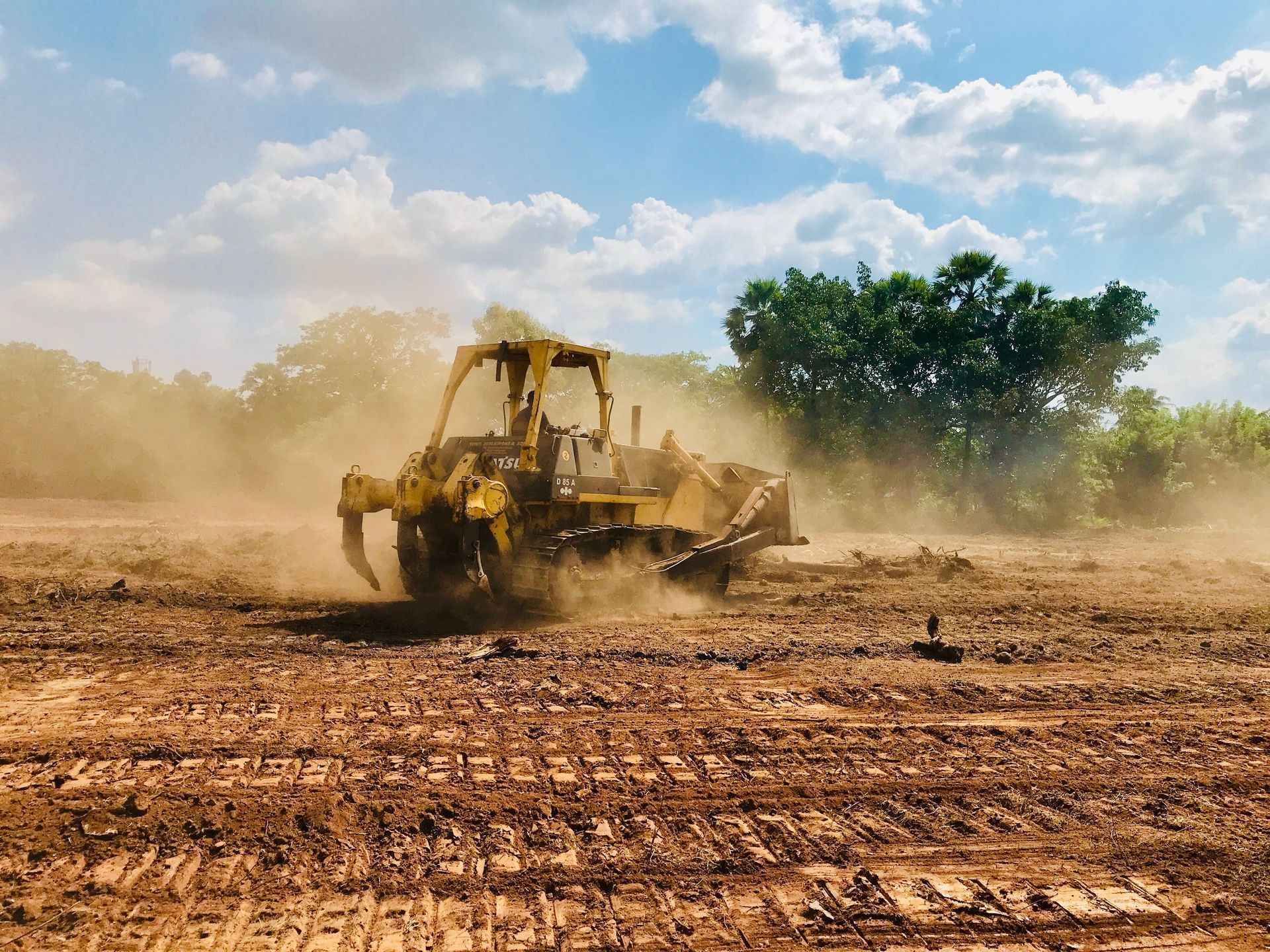
Cole Land and Cattle LLC operates bulldozers designed for pushing, grading, and leveling surfaces across Northeast. The equipment delivers better capability for moving large volumes of material and establishing precise surface grades than lighter machinery can achieve. Property owners preparing sites for buildings, roads, drainage systems, or pasture improvements rely on this level of earthmoving power when slope accuracy and soil compaction matter.
Dozer work involves blade control that removes high spots, fills depressions, and spreads material to create uniform grades across uneven terrain. The machine's weight and track footprint compact soil layers as grading progresses, reducing future settling that can compromise drainage patterns or foundation stability. In Northeast's clay-heavy soils, this compaction during the grading process helps prevent the seasonal expansion and contraction cycles that cause surface irregularities after initial earthwork appears complete.
Schedule a site evaluation to determine grading requirements and material movement volumes for your property.
What Proper Grading Requires
Bulldozer grading starts with establishing benchmark elevations and calculating cut-and-fill volumes to balance material movement across the site. The operator uses blade angle adjustments and multiple passes to achieve the specified slope percentages, checking grade accuracy with surveying instruments at regular intervals. Pushing capability becomes critical when moving wet clay or compacted subsoil that tracked loaders struggle to penetrate efficiently.
After Cole Land and Cattle LLC completes dozer grading, you'll notice water flows predictably away from structures and low spots no longer collect standing moisture after rainfall. The surface sits at consistent elevations that match foundation plans or drainage designs, and soil density remains uniform without the soft pockets that cause differential settling. Roads and driveways built on properly graded bases maintain their crown and don't develop ruts or washboard patterns within the first season.
The scope of dozer work depends on total acreage, existing slope conditions, and whether topsoil preservation is required for areas that will support vegetation. Some projects need only finish grading after excavation, while others involve clearing, stripping topsoil, establishing base grades, and replacing topsoil layers in sequence. Operators adjust blade pressure and track speed based on soil moisture content, since overly aggressive grading in saturated conditions creates compaction layers that prevent root growth and water infiltration.
What Property Owners Usually Ask
Questions about dozer services often focus on project scope, timing, and site preparation details before grading begins.
- What site conditions affect dozer grading efficiency? Soil moisture content, existing vegetation density, and rock content all influence how quickly material moves and how many passes are required to reach final grade. Wet clay in Northeast requires different blade angles and slower travel speeds than dry sandy loam to prevent rutting and uneven compaction.
- How is grading accuracy verified during the work? Operators use laser levels or GPS grade control systems to compare blade position against planned elevations, making continuous adjustments as soil gets redistributed. Benchmark stakes placed around the perimeter provide reference points for checking slope percentages and drainage flow directions.
- When should dozer work happen relative to other site improvements? Grading typically occurs after clearing and excavation but before any construction or utility installation, since heavy equipment traffic disrupts finished surfaces. Scheduling during drier months prevents soil compaction issues that make later planting or drainage installation more difficult.
- What happens to topsoil during grading operations? Quality grading separates and stockpiles topsoil before working the subgrade, then replaces it after base elevations are established. This preserves organic content and soil structure needed for vegetation growth in landscaped areas or pastures.
- How does dozer capability differ from other earthmoving equipment? Bulldozers deliver higher pushing force and better traction on slopes than wheeled loaders, making them more effective for moving compacted material, working in wet conditions, and maintaining blade control on uneven terrain. The continuous track design distributes weight to prevent sinking in soft ground where tired equipment loses mobility.
Cole Land and Cattle LLC provides dozer services sized to match the grading complexity and material volumes your project requires. Request a consultation to review site elevations and discuss the grading approach that supports your construction or land improvement timeline.